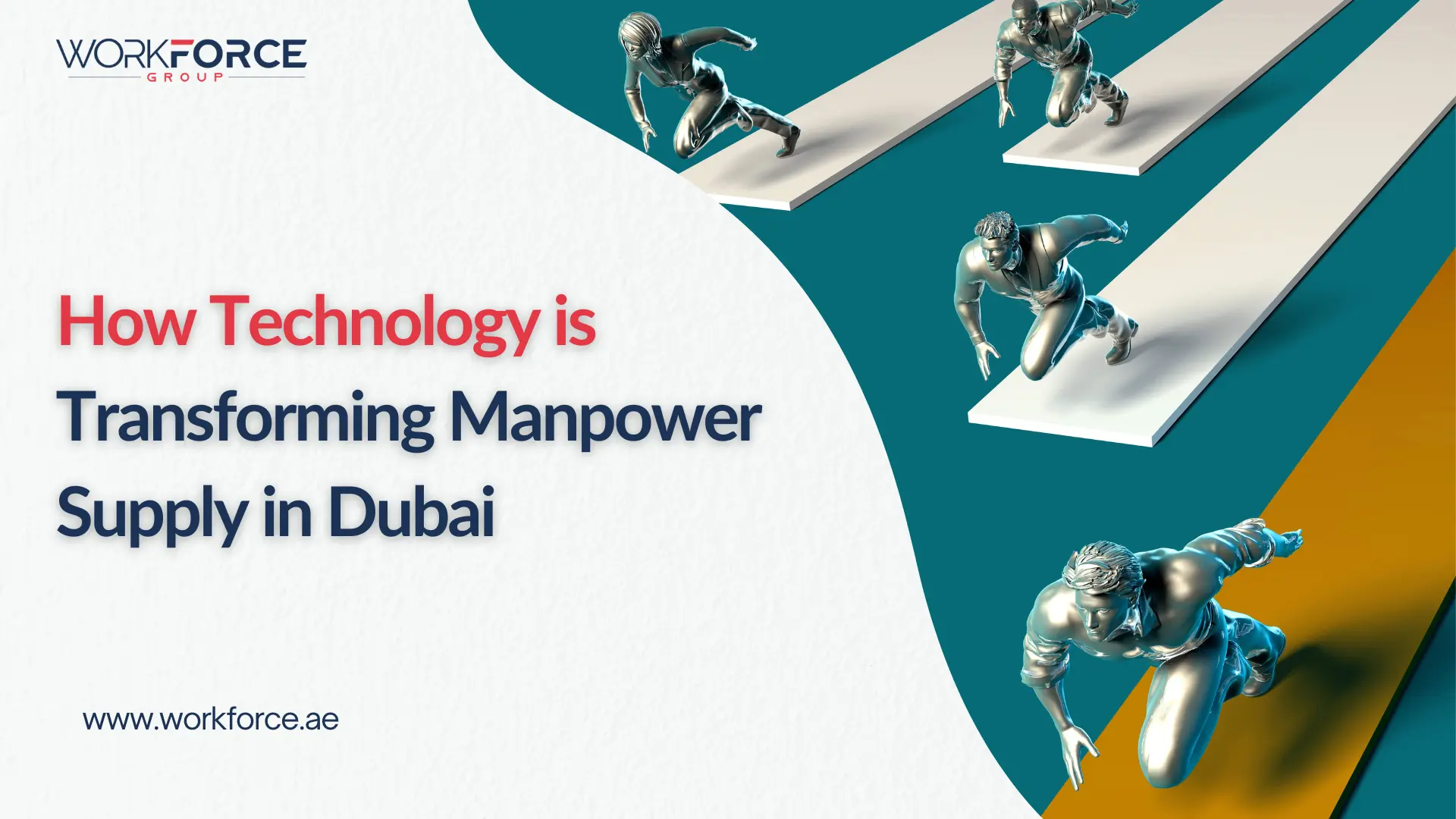
Technology is reshaping how companies manage workforce needs.
In Dubai, businesses expect faster hiring, better quality candidates, and flexible staffing models.
This shift is pushing every manpower supply in Dubai providers to adopt digital tools.
From automation to analytics, modern systems reduce delays and improve results.
Traditional staffing relied on manual processes.
Paper resumes.
Phone calls.
Long approval cycles.
Today, digital platforms replace these steps with faster workflows.
Recruiters can now post jobs, screen candidates, and onboard workers within hours instead of weeks.
Cloud systems allow real-time updates.
This improves coordination between clients and staffing agencies.
Businesses benefit from:
- Faster hiring cycles
- Reduced operational costs
- Better workforce visibility
Digital transformation also improves compliance.
Documents are stored securely and accessed instantly.
Companies using modern systems gain a clear advantage in competitive sectors like construction, logistics, and hospitality.
Manual vs Digital Processes
Manual systems often lead to delays and errors.
Data entry mistakes.
Lost documents.
Slow communication.
Digital tools solve these issues.
Automated workflows ensure consistency.
Centralized dashboards provide real-time tracking.
This improves accuracy and reduces dependency on manual effort.
Role of AI and Automation in Recruitment
Artificial Intelligence is changing how candidates are selected.
AI tools scan resumes quickly.
They match skills with job requirements in seconds.
This reduces human bias and improves hiring accuracy.
Automation also handles repetitive tasks like:
- Resume screening
- Interview scheduling
- Candidate communication
Recruiters can focus on decision-making instead of routine work.
For businesses, this means:
- Faster hiring
- Better candidate fit
- Lower recruitment costs
AI also predicts workforce demand based on historical data.
AI in Candidate Screening
AI analyzes thousands of profiles instantly.
It identifies:
- Skills match
- Experience level
- Job relevance
This reduces the risk of poor hiring decisions.
Companies can shortlist top candidates quickly without manual filtering.
Cloud-Based Workforce Management Systems
Cloud platforms allow businesses to manage workforce operations remotely.
HR teams can track employee data, attendance, and performance in one system.
This improves efficiency and reduces paperwork.
Cloud solutions also support scalability.
Companies can adjust workforce size based on project needs.
Key benefits include:
- Real-time data access
- Secure data storage
- Easy integration with other tools
For a manpower supply in Dubai, cloud systems ensure better service delivery and faster response times.
Cloud systems store all workforce data in one place.
Managers can access information anytime.
From any device.
This improves decision-making and reduces delays.
Data-Driven Decision Making in Staffing
Data plays a key role in modern manpower supply.
Companies now use analytics to plan workforce needs.
They track:
- Hiring trends
- Employee performance
- Project requirements
This helps businesses avoid overstaffing or shortages.
Data insights also improve budgeting and forecasting.
For staffing companies, analytics improve service quality.
Clients receive better workforce recommendations based on real data.
Workforce Analytics Benefits
Analytics provide clear insights.
They help businesses:
- Improve productivity
- Reduce hiring risks
- Optimize workforce costs
Better data leads to better decisions.
Mobile Technology and On-Demand Workforce
Mobile apps have changed how workers connect with employers.
Candidates can apply for jobs instantly.
Employers can fill positions quickly.
This supports the growing demand for flexible staffing.
Industries like logistics and retail benefit the most.
Mobile platforms also improve communication between workers and employers.
Key advantages:
- Faster job matching
- Real-time updates
- Improved worker engagement
Mobile Apps for Staffing
Mobile apps simplify the hiring process.
Workers receive job alerts instantly.
Employers can track applications in real time.
This reduces delays and improves efficiency.
Challenges and Opportunities for Businesses
Technology brings benefits but also challenges.
Some companies struggle with:
- High implementation costs
- Lack of technical knowledge
- Data security concerns
However, the long-term benefits outweigh these issues.
Businesses that adopt technology early gain a competitive edge.
They improve efficiency and reduce operational risks.
Adoption Barriers
Not all companies are ready for digital transformation.
Common barriers include:
- Resistance to change
- Training requirements
- Integration issues
Proper planning helps overcome these challenges.
The Future of Manpower Supply in Dubai
The future is fully digital.
Automation, AI, and data analytics will continue to evolve.
Manpower supply companies will focus on:
- Predictive hiring
- Flexible workforce models
- Digital-first operations
Businesses will rely more on technology-driven staffing solutions.
Partnering with a modern manpower supply in Dubai provider ensures long-term success.
What to Expect Next
Expect faster hiring cycles.
More accurate workforce planning.
Better employee management systems.
Technology will continue to shape the workforce landscape in Dubai.